City's marine outfalls remain largely within compliance parameters
26 February 2025
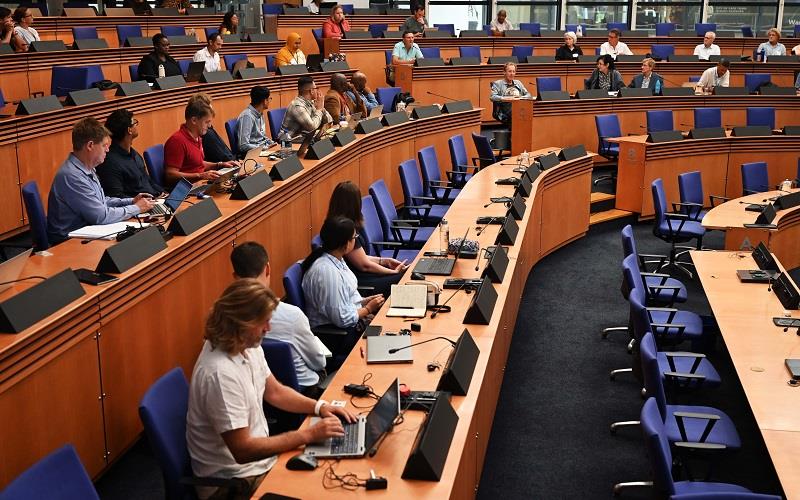
The City’s three marine outfalls continue to operate largely within their infrastructural design and regulatory oversight parameters, as confirmed at the latest Public Advisory Forum (PAF) meeting on Friday, 21 February 2025.
Despite the temporary suspension of flow limits by the Department of Forestry, Fisheries, and the Environment (DFFE), the latest report reaffirms the City’s commitment to responsible environmental management and infrastructure maintenance.
Recent pipeline integrity inspections at Camps Bay (October 2024) and Green Point (December 2024) confirm that both outfalls remain in good condition with the Hout Bay outfall inspection scheduled to follow. Key findings included:
Camps Bay Sewer outfall: The structure remains sound, with observed deterioration in line with the intended design.
Green Point outfall: The pipeline is in good overall condition, with no blockages or immediate concerns. Two diffusers show reduced flow and may require high-pressure cleaning. Unfortunately, a load-shedding related incident disrupted operations of the pump station briefly this past weekend. When the generator failed to switch on, electricians were dispatched immediately to restore its functionality.
To prevent future occurrences, a simulation test was conducted on the generator, rendering it fully functional and ready for the next round of load-shedding.
Quarterly environmental monitoring results (November 2024 – January 2025)
The City’s marine outfalls are operating within their design capacity and are compliant with prescribed licensing requirements. During the past quarter, 1 737 samples were collected across all three outfalls:
561 water samples in November
561 water samples and 54 micro-plastics samples in December
561 water samples in January
Key data highlights
Only five of 477 water samples exceeded recreational guidelines for faecal enterococci:
Two exceedances at the Green Point mixing zone (mid-depth) and one in the Table Bay screen.
Two exceedances in Hout Bay (one at mid-depth, one at the bottom of the mid-bay screen).
Ecological toxicity testing on seawater samples from the edge of the mixing zone found no toxicity in any of the 84 samples analysed over the past seven months.
‘While the findings presented at the Permit Advisory Forum reaffirm that Cape Town’s marine outfalls continue to operate largely within their regulatory parameters, the City continues to invest in refurbishment programmes at these outfalls, while exploring suitable long-term solutions for improved wastewater management,’ said Mayoral Committee Member for Water and Sanitation, Councillor Zahid Badroodien.
Short and long-term improvement programme
The City has embarked on a phased refurbishment plan to enhance the performance and resilience of the marine outfall system:
2025 financial year:
• Ongoing refurbishment and repair of screening systems;
• Refurbishment of degritting installation at Hout Bay;
• Odour control upgrades at Camps Bay.
Short to medium-term (2026 – 2028):
• Replacement of ageing mechanical and electrical equipment;
• Upgraded flow measurement systems, including emergency overflow monitoring;
• Enhanced fire protection and ventilation systems;
• Refurbishment of corroded channels and manholes at Green Point;
• New odour control systems for Camps Bay and an upgraded odour control system for Green Point;
• Estimated cost: R160 million.
Tender documents for these upgrades are currently being drafted, with procurement to follow.
Exploring future alternatives for Cape Town’s Marine Outfalls
The City is also investigating long-term alternatives to marine outfalls. Nine potential options have been identified and are undergoing feasibility assessments. Next steps include:
• Initiating the tender process for short to medium-term refurbishment (during the second quarter of 2025);
• Advancing feasibility studies for long-term solutions through a multi-criteria decision-making process;
• Developing concept designs for the preferred alternative.
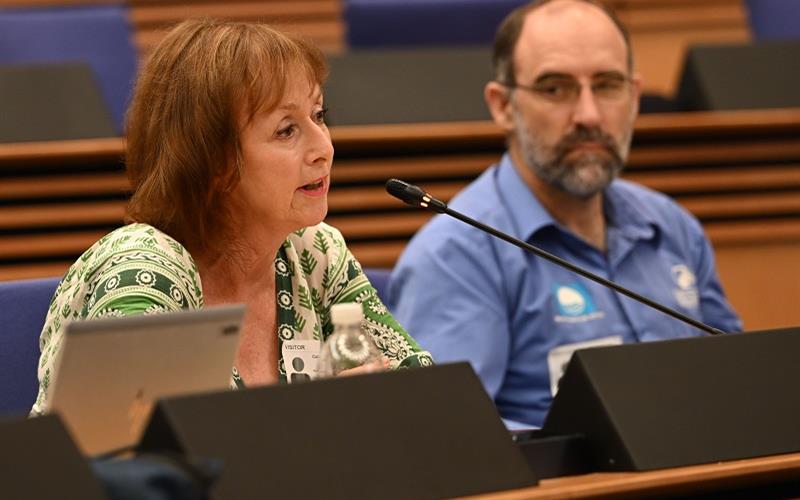
‘I was encouraged to see a significant increase in the number of stakeholders attending this forum from across the city. The City of Cape Town is committed to transparent environmental water governance. We encourage members of the public to attend future meetings so that together we can protect our coastal environment,’ said Councillor Alex Lansdowne, Deputy Chairperson of the Section 80 Advisory Committee.
The City remains committed to maintaining and improving wastewater infrastructure while safeguarding the coastal environment. Updates on the feasibility studies and refurbishment projects will be shared as progress continues.
End
Published by:
City of Cape Town, Media Office